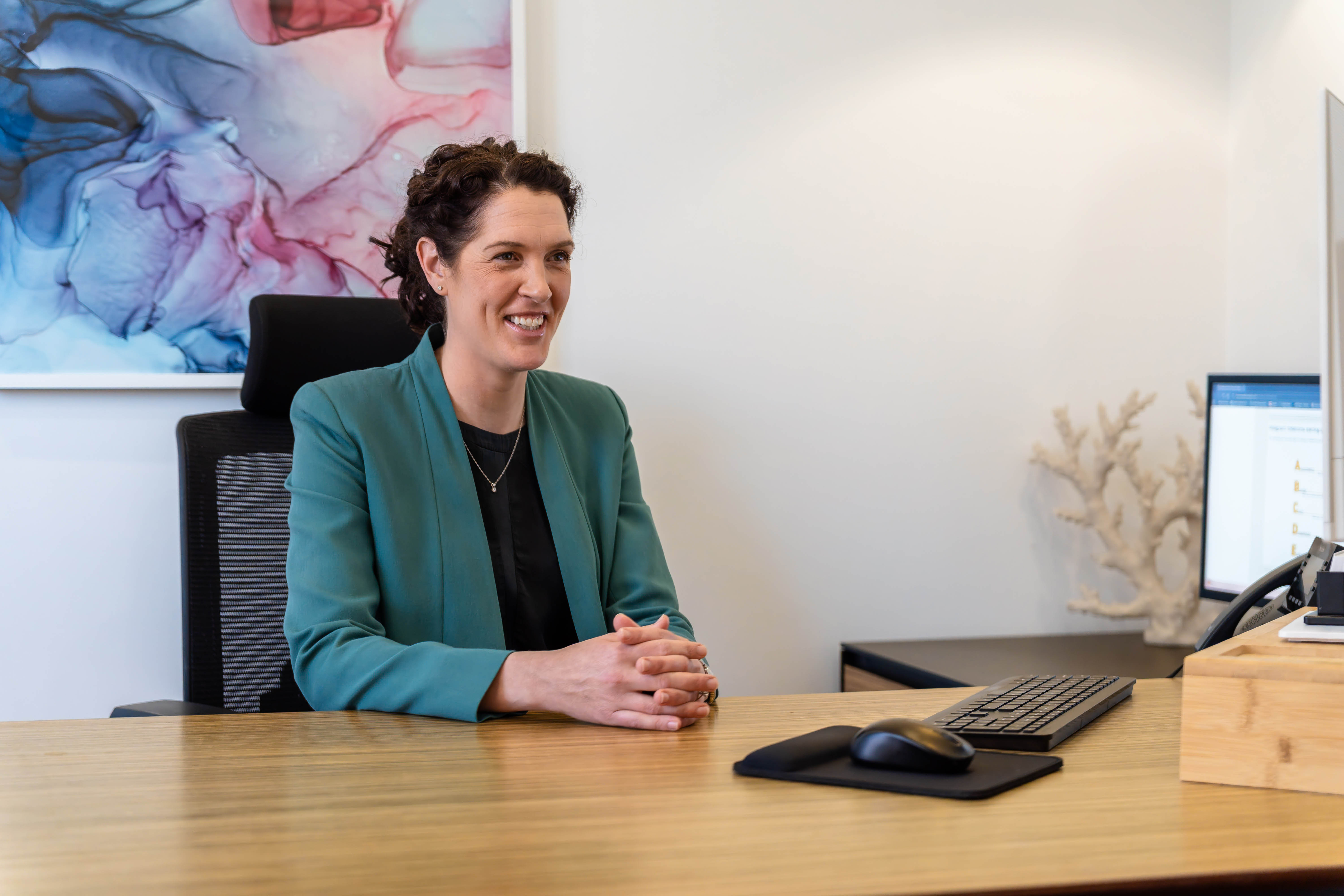
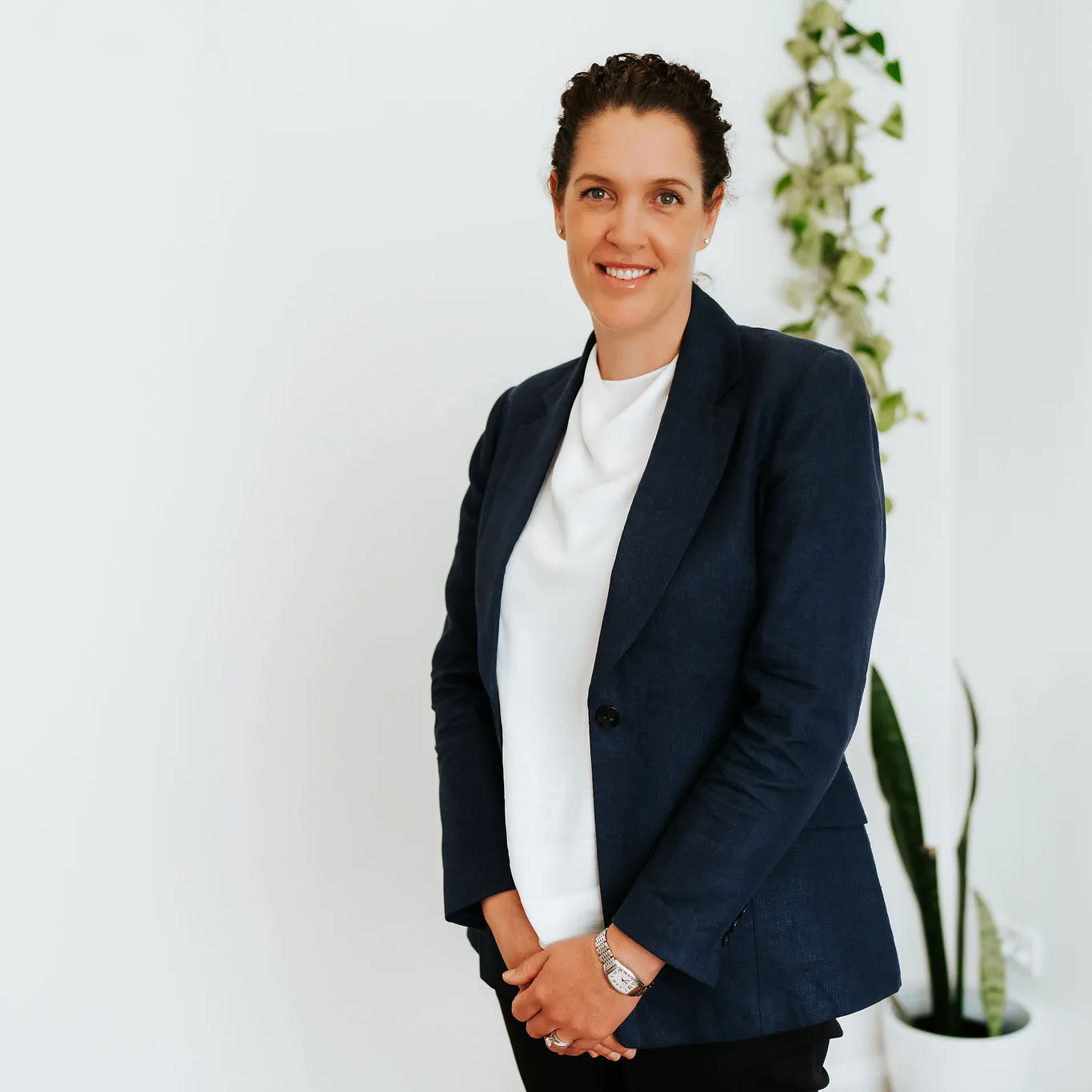
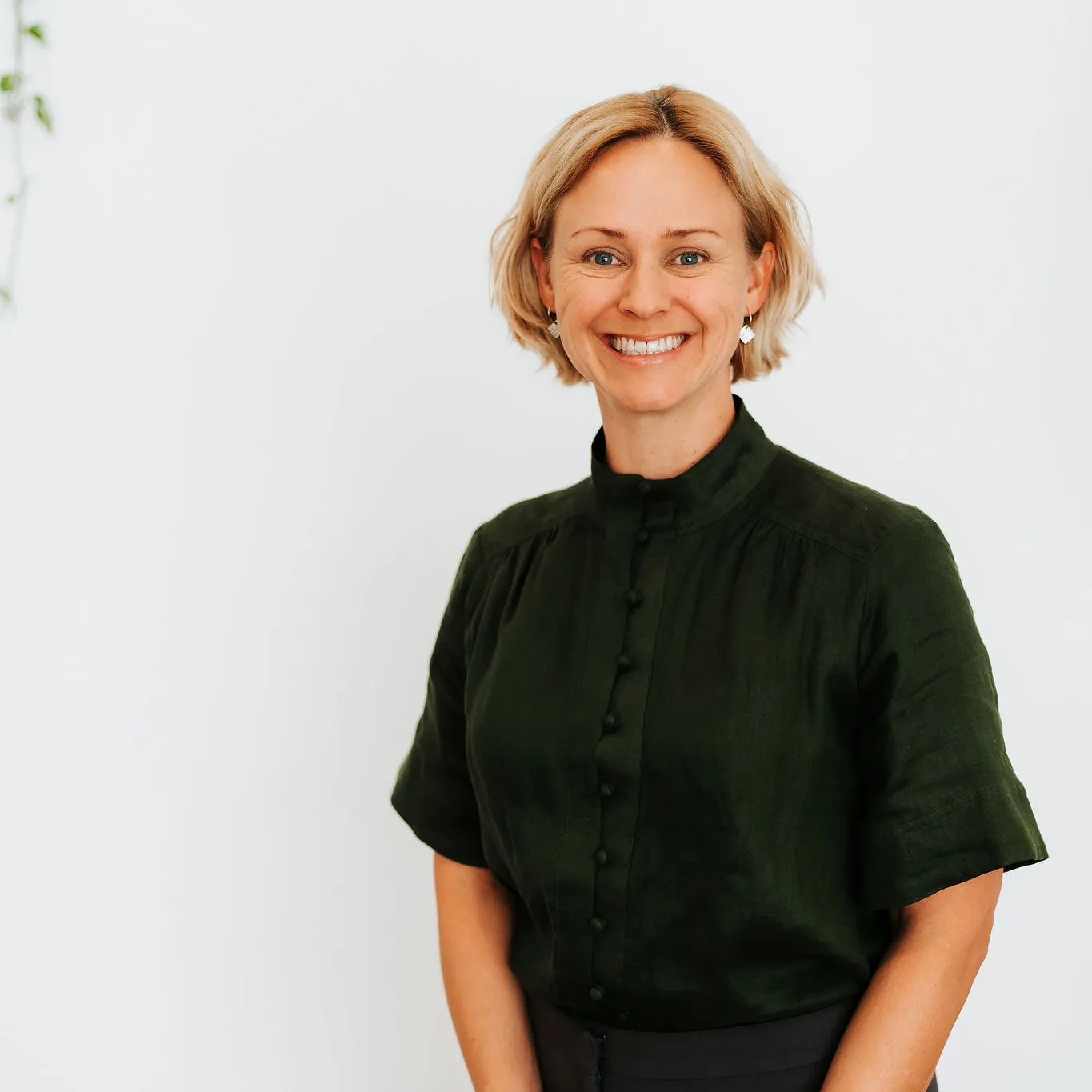
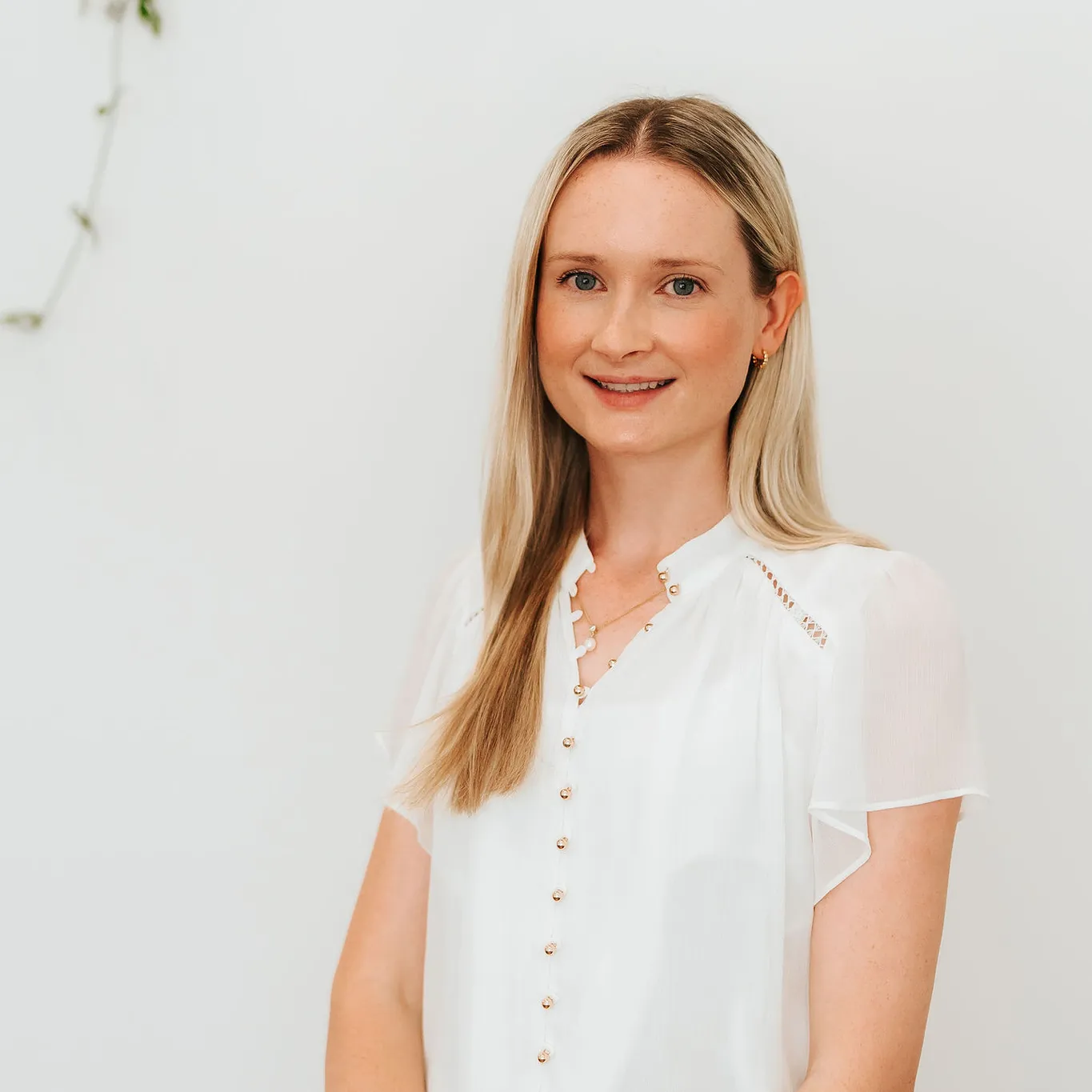
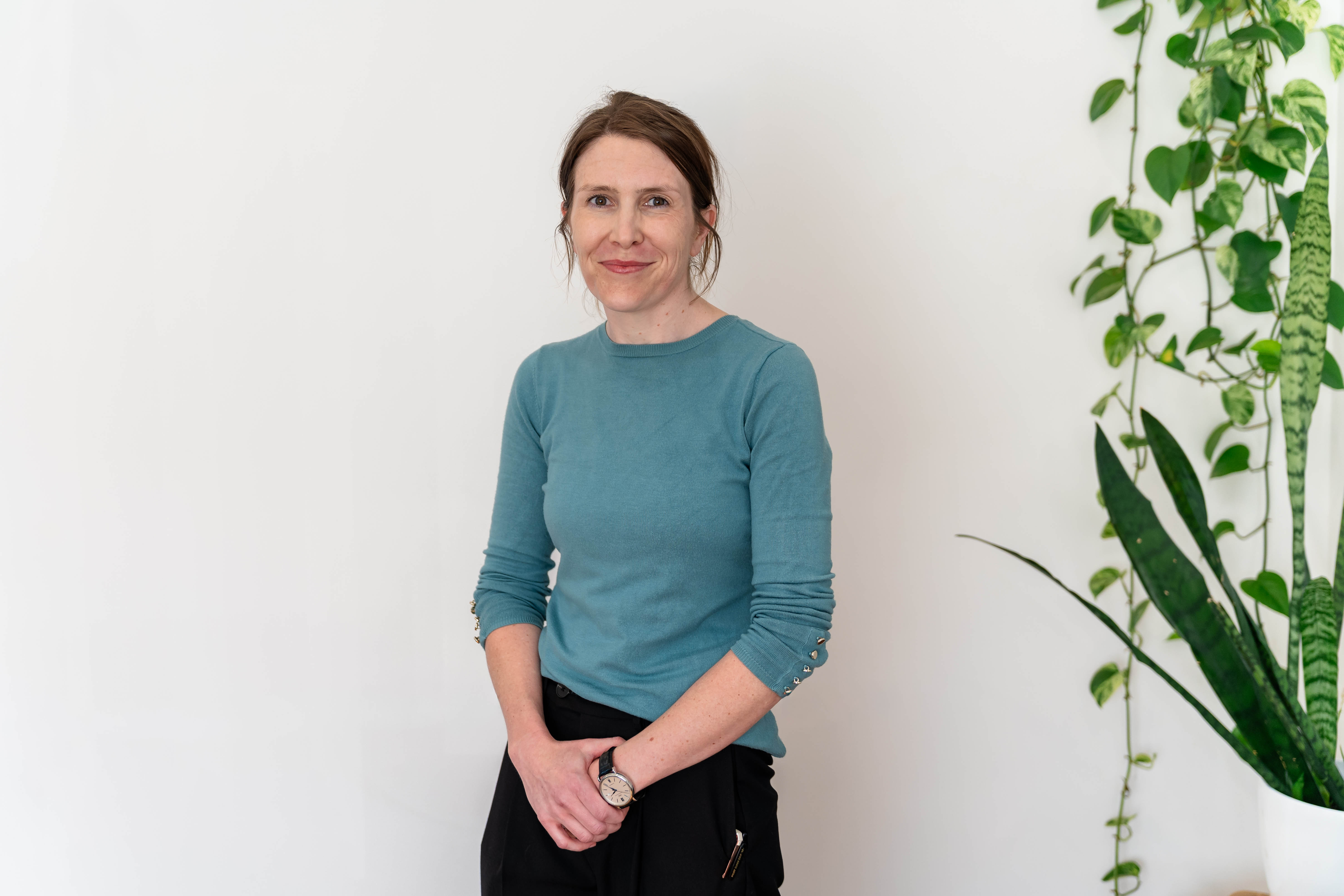
Skin checks, diagnosis and treatment all happen in the one practice. Dr Eliza Malkoun holds a Dermatology Diploma and a Certificate of Dermoscopy, and Dr Kimberley Elliott holds a Certificate in Primary Care Skin Cancer Medicine.
The sooner a skin cancer is found, the easier it usually is to treat. Your doctor will check your skin, use dermoscopy to look closely at anything that has changed, and advise how often you should be checked based on your level of risk.
We also manage everyday skin: benign spots such as seborrheic keratosis and sebaceous cysts, and rashes including eczema and psoriasis.
•Skin checks and regular monitoring
•Dermoscopy
•Skin biopsies
•Cryotherapy
•Surgical removal of skin cancers
•Topical skin cancer treatment
•Acne management
If we find something that needs treating, we will talk you through the options and, where we can, treat it here rather than send you elsewhere.
Sun tips
•Check the daily UV level and protect your skin whenever it reaches 3 or above.
•Take the most care between 10am and 4pm, when UV is strongest.
•Use a broad-spectrum SPF50+ sunscreen, applied 20 minutes before you go out.
•Reapply every two hours, and after swimming, sweating or towel drying.
•Use about a teaspoon of sunscreen per limb, and one each for your face and neck, front and back.
•Wear a broad-brimmed hat, sunglasses and clothing that covers your shoulders.
•Seek shade through the middle of the day, and remember UV still passes through cloud.